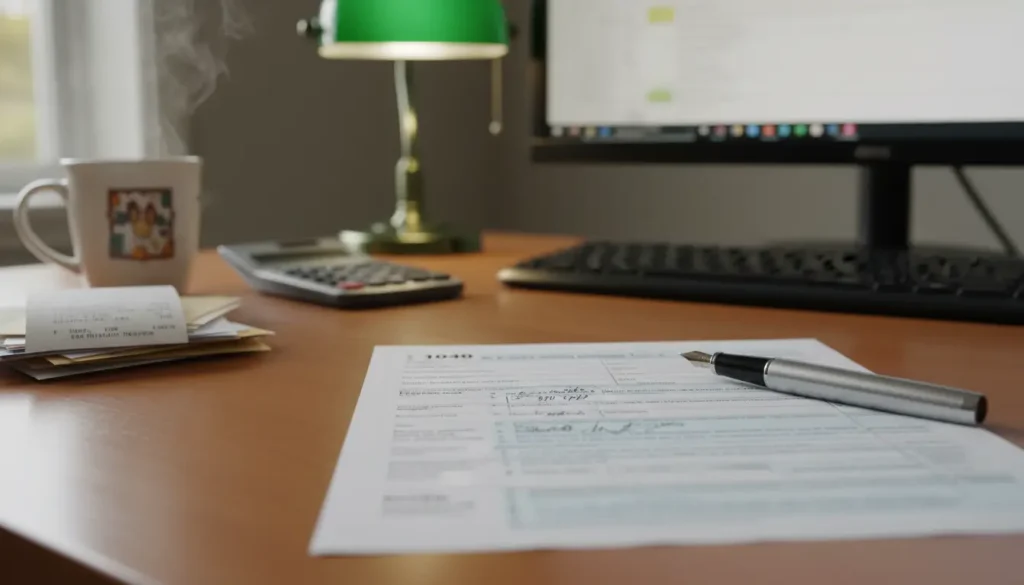
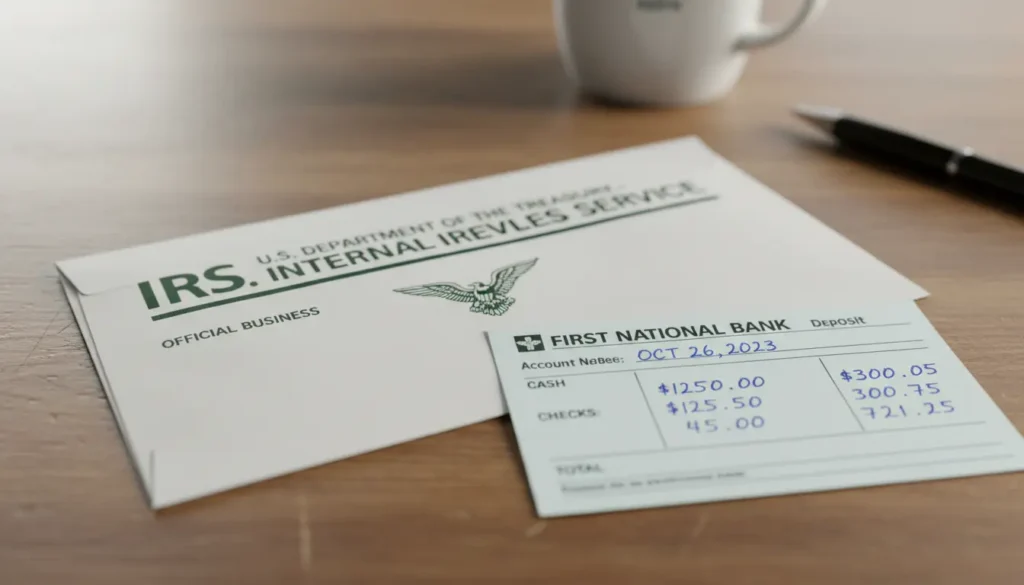
The IRS is sending widespread payments in January 2025, and many people are searching how to get a $2,000 direct deposit. This guide explains the rules, the likely timeline, and clear steps to secure your payment. Follow the checklist and examples to reduce delays.
Who qualifies for the $2,000 IRS direct deposit
Eligibility depends on the specific payment program the IRS is using for January 2025. Common qualifiers include adjusted gross income (AGI) thresholds, filing status, and recent tax return or benefit records. Check the IRS announcement tied to this payment for exact rules.
Typical eligibility components include:
- Filed a 2023 or 2024 tax return, or received relevant benefits (Social Security, SSI)
- Income under the program threshold for single or joint filers
- Valid Social Security Number for qualifying household members
January 2025 rules and eligibility details
The IRS usually publishes a factsheet explaining who qualifies and any phase-outs by income. For January 2025 payments, expect:
- Specific AGI caps for full or partial payments
- Exclusions or special rules for dependents and nonresident taxpayers
- Requirement to have a valid bank account on file for direct deposit
Read the official IRS page and the program FAQ to confirm details. Rules can vary if the payment is part of a tax credit, rebate, or special relief program.
Timeline: when to expect your $2,000 IRS direct deposit
Exact dates vary, but use this typical timeline to plan. The IRS often stages deposits in waves, based on file date or benefit records.
- Announcement and eligibility window: early January 2025
- Batch processing: mid-January through February, in ordered waves
- Direct deposits post-processing: typically arrive within 1–3 business days after the batch posts
Payments can take longer when bank networks delay posting. If you provided bank information on a recent tax return or through an IRS portal, the direct deposit is faster than paper check delivery.
How to secure your $2,000 direct deposit
Follow these steps to reduce the chance of missed or delayed funds. Many issues are resolved by confirming records before the IRS finalizes batches.
1. Confirm eligibility and documentation
Check which tax year or benefit records the IRS will use. If you need to file a return to qualify, file soon and accurately to be included in early payment waves.
2. Update your bank account for direct deposit
The IRS uses account information from your most recent tax return or benefit registration. If you need to update the account, use the IRS payment portal or the system specified in the announcement.
- Use checking account and routing numbers—avoid prepaid cards if possible
- Double-check digits to prevent misdirected funds
3. Use the IRS online tools
Tools such as “Where’s My Payment” or the IRS account portal can show status once payments are posted. Visit these tools after the official announcement wave dates.
4. Keep records and proof ready
Save copies of returns, bank statements, and your confirmation of account updates. These documents speed up dispute resolution if the payment doesn’t arrive on time.
What to do if you do not receive the payment
If the deposit does not arrive by the expected timeline, use this checklist to investigate and escalate.
- Check the IRS online tool for payment status
- Verify the bank account and routing number you provided
- Look for returned or misdirected payments on bank statements
- Contact the IRS only after the published delivery window closes
If funds were sent to a closed account, banks generally return the payment to the IRS and a paper check or replacement may be issued, which delays delivery.
Common issues and quick fixes
Many delays happen for a few predictable reasons. Addressing these early reduces wait time.
- Wrong bank account numbers — correct via the IRS portal before processing starts
- Not filed tax return — file promptly if required to qualify
- Information mismatch — ensure names, SSNs, and addresses match IRS records
Case study: Real-world example
Maria, a single filer, expected the $2,000 deposit in late January. She had filed her 2024 return in March 2024 but changed banks in December. Maria checked the IRS portal, updated her account in the specified system before the processing cutoff, and received the direct deposit within five days of the IRS batch posting. Her quick update prevented a paper check and a multi-week delay.
The IRS usually prefers direct deposit because it is faster and more secure than mailing paper checks. Updating your bank info before the IRS payment processing date can convert a delayed paper check into a same-week direct deposit.
Final checklist to secure your $2,000 IRS direct deposit
- Confirm eligibility based on the IRS announcement
- File any required tax returns immediately
- Update bank account details in the IRS-designated system
- Monitor the IRS status tools during the payment wave
- Keep documentation and be ready to contact the IRS after the published timeframe
Following these practical steps will maximize the chance that your $2,000 IRS direct deposit arrives without delay. Check the official IRS pages for the latest program details and processing dates, and avoid scams by using only IRS.gov links and official portals.