
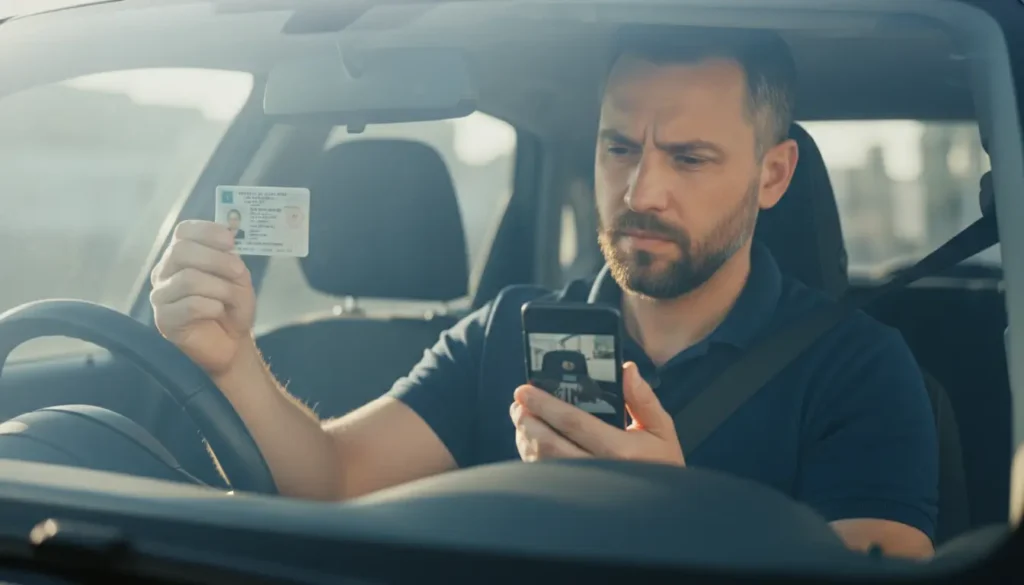
A major driving rule that takes effect in January will change how drivers handle a common activity nationwide. This article explains what has changed, who needs to act, and the practical steps drivers should take to comply.
What the New January Driving Law Means for Drivers
The New January driving law updates federal baseline rules and requires states to implement consistent standards. States have passed or updated statutes to reflect the federal guidance, so every state will enforce similar obligations.
For most drivers this means small but important changes to documentation, in-car devices, or permitted behaviors while driving. These changes aim to reduce a specific risk and create uniformity across state lines.
Scope and timing of the law
The law becomes effective in January and applies nationwide. States were given a clear deadline to adopt implementing measures, and many have already done so.
Immediate enforcement varies by state, but compliance expectations are consistent: meet the new requirement or face penalties.
Who is affected by the New January Driving Law
All licensed drivers are potentially affected, though the impact level varies by situation. Commercial drivers, teen drivers, and drivers who rely on certain in-car devices may see the most change.
- Private passenger vehicle owners and renters
- Commercial drivers and fleet operators
- Drivers under state provisional or graduated licenses
- Rideshare and delivery drivers
Key Requirements Under the New January Driving Law
The law sets clear requirements that fall into three practical categories: documentation, device rules, and operator responsibilities. Each driver should confirm which category applies to them.
- Documentation: Updated ID or documentation standards may be required for certain interactions.
- Device rules: Restrictions on handheld device use or rules for integrated vehicle telematics.
- Operator responsibilities: Duties such as stopping for specific warnings, updated child restraint rules, or new reporting requirements.
Simple examples of the new requirements
Examples help make the rules concrete. For instance, a driver might need to disable a smartphone app while the vehicle is in motion or ensure a newer form of registration is carried in the vehicle.
Another example is updated mounting rules for GPS units and phones. Devices that block the driver’s view or require holding can be prohibited depending on the state adaptation.
How to Comply: Practical Steps for Drivers
Follow a short checklist to ensure you meet the law’s requirements. These steps reduce the chance of fines or other enforcement actions.
- Check your state DMV website for the specific implementing regulation and effective date.
- Update any required documents (registration, proof of insurance, or ID) before the effective date.
- Adjust in-car device settings: enable Do Not Disturb While Driving, pair devices to vehicle systems, or remove noncompliant mounts.
- Train family members or employees on the new rules if you operate a fleet or shared vehicles.
How to check your state specifics
Start with your state Department of Motor Vehicles (DMV) or state legislature website. Many states publish plain-language guides that summarize changes and list steps for drivers.
You can also call local law enforcement non-emergency lines for clarification about enforcement practices and local guidance.
Penalties and Enforcement Across All 50 States
Penalties vary by state but generally include fines, points on a license, or administrative actions. Repeat violations often carry higher penalties and possible insurance consequences.
Enforcement may emphasize education in the first months, but penalties can be imposed from day one where state law allows. Employers and commercial carriers face additional compliance audits.
Typical penalties to expect
- Monetary fines that range by state
- License points or administrative suspensions for repeat offenses
- Fleet audits and civil penalties for commercial operators
Practical Tips and a Small Case Study
Plan ahead and make small changes now to avoid last-minute issues. The recommended actions are inexpensive and quick to implement.
- Enable Do Not Disturb or driving modes on phones.
- Replace or relocate phone mounts so they do not obstruct vision.
- Keep an updated digital copy of documents if your state accepts them.
Case study: A rideshare driver in Ohio updated her phone mounting and enabled a driving profile two weeks before the state finalized its January enforcement. She avoided a citation during a routine traffic stop and reported smoother operation for passenger pickups. The small change cost less than $20 and eliminated a recurring distraction.
Final Checklist Before January
Use this short checklist to prepare. Following it will minimize disruption and protect you from penalties.
- Review your state’s implementing rules online.
- Update documents and vehicle equipment as required.
- Inform household members or employees who drive your vehicles.
- Test device settings and vehicle integrations ahead of time.
Staying informed and taking a few simple steps can keep you compliant with the New January driving law that affects all 50 states. If you operate commercially, consider a written compliance plan and periodic audits to stay ahead of enforcement.