
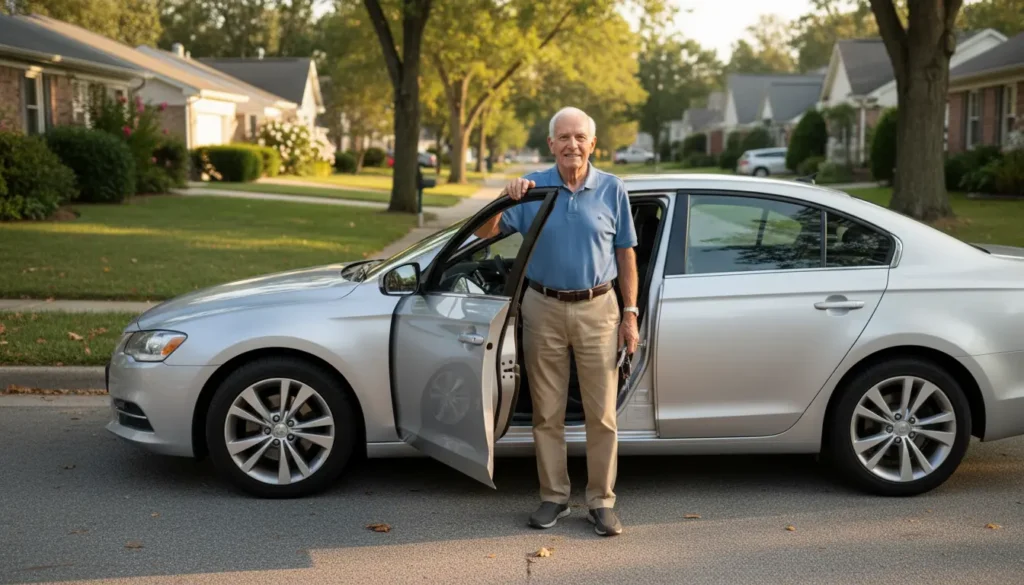
New Traffic Rules for Drivers from January 01, 2026: Overview
Starting January 1, 2026, many states and federal guidance focus on safety for older drivers. These updates affect license renewals, medical reporting, testing, and permitted driving conditions.
This article summarizes the changes every driver over 70 must know and gives practical steps to comply and stay safe on the road.
What the New Traffic Rules for Drivers from January 01, 2026 Mean
The updates are a mix of state law changes and national best-practice recommendations. Expect more consistent vision checks, shorter renewal windows for older drivers, and clearer medical reporting requirements.
Rules differ by state, so the most important step is to confirm details with your local DMV or state transportation website.
Key items in the new rules for drivers over 70
- Mandatory or more frequent vision screening at renewal.
- Options for in-person renewals rather than automatic online renewals.
- Expanded guidance for physician reporting of medical conditions that may affect driving.
- Possible limited driving permits (time-of-day or route restrictions) instead of full suspension.
- Updated education and refresher courses with discounts or credits for compliance.
Renewal and Testing Requirements
Many states are shifting to shorter renewal cycles for drivers over 70, often requiring in-person visits. Expect at least a vision test during renewal and, in some cases, a brief on-road or simulator assessment.
Bring current eyeglasses or contacts and any medical documentation requested by the DMV. If your state requires medical forms from a physician, schedule that appointment early.
What to bring to the DMV
- Current driver license and proof of identity.
- Corrective lens prescription or eyewear.
- Completed medical report forms if required by your state.
- List of medications and a brief note from your doctor if you have a condition that could affect driving.
Many states already require vision screening for older drivers at renewal. The 2026 updates standardize testing frequency and add clearer guidance for medical reporting.
Medical Reporting and Safety Programs
Under the new guidance, physicians and licensing authorities have clearer criteria for reporting conditions that may impair driving. Reporting aims to match drivers with adaptive options rather than automatic license loss.
States may offer conditional licenses that limit driving to daylight hours, local roads, or require vehicle modifications like larger mirrors or pedal extenders.
How medical reporting works
- Your physician documents conditions that could affect safe driving (vision, cognition, mobility).
- The state DMV reviews the report and may request further testing or an on-road evaluation.
- Outcomes range from full renewal to conditional permits or referral to training programs.
Practical Steps Every Driver Over 70 Should Take
Be proactive. Early preparation reduces surprise restrictions and keeps you mobile while prioritizing safety.
- Check your state DMV website now for specific rules that take effect Jan 1, 2026.
- Schedule vision and medical appointments well before your renewal date.
- Take a driving refresher course that meets state recommendations.
- Consider vehicle safety upgrades: backup cameras, lane-assist, brighter headlamps.
- Plan alternative transportation options if restrictions are placed on your license.
Example Case Study: How New Rules Worked in Practice
Mary is 74 and lives in a midwestern state that updated renewal rules for 2026. She received a notice requiring an in-person renewal with vision screening.
Mary scheduled a doctor visit first and found new glasses improved her peripheral vision. At the DMV she passed the vision test and completed a short refresher course online, receiving a four-year renewal with no restrictions.
Mary’s proactive steps—doctor appointment and refresher training—saved time and made the renewal process smooth. Her experience is a practical model for other drivers over 70.
Rights, Appeals, and Legal Steps
If the DMV places a restriction or suspends a license, you generally have the right to appeal. Appeals may require additional testing or legal representation in complex cases.
Keep copies of medical reports, test results, and correspondence with the DMV. These documents support appeals and help you understand the requirements to regain full privileges.
When to seek help
- If you disagree with a medical report that led to a restriction.
- If an on-road test result seems inaccurate or was not properly administered.
- If you need help finding adaptive equipment or local training resources.
Final Checklist for Drivers Over 70 Before Jan 1, 2026
- Confirm your state’s exact changes and renewal deadlines.
- Book a vision test and any required medical exams.
- Update vehicle safety features and consider a driving refresher course.
- Gather all documents and prepare for possible in-person DMV visits.
- Identify local transportation alternatives in case of restrictions.
These changes aim to balance safety and mobility for older drivers. Being informed and proactive is the best way to meet the new requirements and stay confident behind the wheel.