
The federal $2,000 payments set for January 2026 will reach many eligible Americans. This guide explains who qualifies, how funds arrive, and what steps beneficiaries should take if they do not receive a payment.
Federal $2,000 Payments Arriving January 2026: Who Is Eligible
Eligibility rules are based on recent legislation and federal announcements. Generally, eligible beneficiaries include adults and dependents who meet the specified income and identification requirements.
Key points about eligibility include:
- Citizens, lawful permanent residents, and certain qualifying noncitizens may qualify.
- Income limits and phase-outs apply; the payment may be reduced for higher earners.
- Some government benefits do not disqualify you; Social Security recipients often still qualify.
Documents and Records to Check
Before January, gather these documents to confirm eligibility and speed up any follow-up inquiries. Keep copies of your most recent tax return, Social Security statements, and proof of identity.
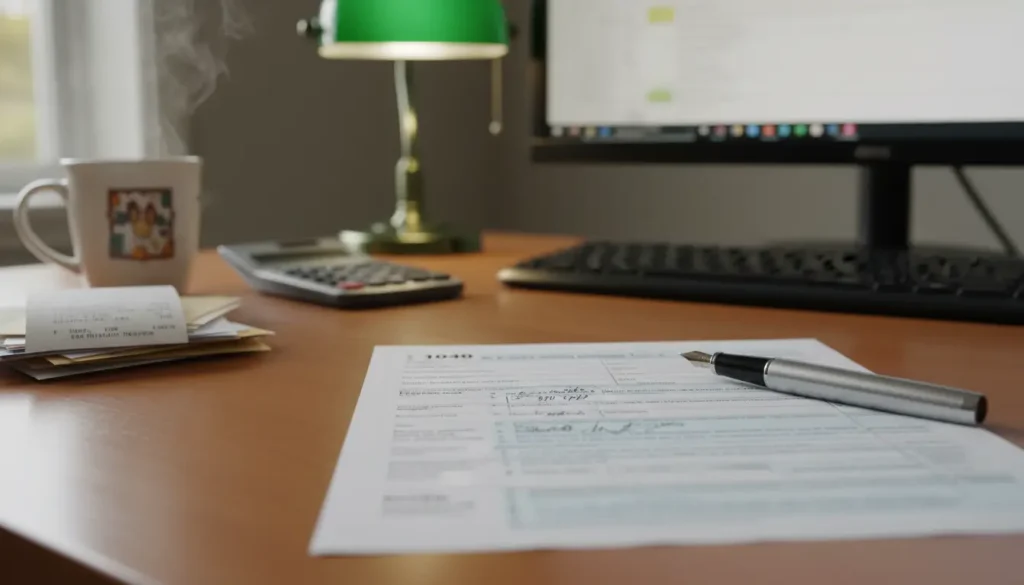
- Most recent federal tax return (Form 1040) or IRS account transcript.
- Social Security or Railroad Retirement records if you receive benefits.
- Valid ID such as a driver’s license, state ID, or passport for identity verification.
Did You Know? Some beneficiaries will receive payments by direct deposit using banking information from their most recent federal tax return or benefits records. Others may get a mailed check or prepaid debit card if direct deposit info is not available.
How Federal $2,000 Payments Will Be Delivered
Federal payments can arrive via direct deposit, mailed check, or prepaid debit card. The method depends on the information the government already has for you.
Expect this delivery pattern:
- Direct deposit to the bank account on file for your tax return or federal benefits.
- Mailed checks to the address shown on tax or benefits records if no direct deposit data exists.
- Some recipients may receive a government-issued prepaid card in the mail.
Tracking and Verification
The IRS and relevant agencies usually publish a schedule or a “Get My Payment” tool. Use official government websites only; avoid third-party trackers that request payment or sensitive information.
Verify delivery by checking your bank account statements and postal mail in late January and early February. Keep an eye on official emails from the IRS or Social Security, but do not click links in suspicious messages.
What To Do If You Do Not Receive Your Payment
If you expect a payment but do not receive it by mid-February, take these steps. Acting quickly helps resolve issues before tax season or additional deadlines arrive.
- Check your IRS online account for payment status or delivery method information.
- Confirm your mailing address and bank account details on file with the IRS or Social Security office.
- Contact the appropriate agency directly—do not rely on social media posts or unsolicited phone calls.
You may need to submit a claim or adjust your tax return to reconcile a missing payment. An IRS or agency representative can explain the exact process for reclamation or correction.
Common Reasons Payments Are Delayed
- Mismatched identity or missing documentation in agency records.
- Updated banking or mailing information was not recorded before the payment run.
- Clerical errors or processing backlogs within the issuing agency.
Tax and Reporting Considerations for $2,000 Payments
Most stimulus-style federal payments are considered tax credits or rebates rather than taxable income. That usually means you will not owe federal income tax on the $2,000 payment.
However, keep careful records. If the government requires reconciliation, you may need to provide documentation when filing your 2025 or 2026 tax return.
What to Keep for Your Records
- Bank deposit statements showing the payment.
- A copy of any mailed check or prepaid card notification.
- Correspondence from the IRS or Social Security about payment status.
Real-World Example: How One Beneficiary Received the Payment
Case study: Sarah, a 67-year-old Social Security retiree, expected the $2,000 payment. Her bank account was on file with the Social Security Administration, so she received a direct deposit on January 14, 2026.
Sarah checked her online SSA account and her bank app on delivery day. When a neighbor did not receive a payment, Sarah advised them to confirm their IRS mailing address and call the IRS helpline for guidance.
This example shows the value of checking official account records and helping family or neighbors confirm their information.
Checklist: Prepare Before Payments Arrive
- Confirm your mailing address and bank account on IRS or SSA accounts.
- Gather tax returns and benefits statements for quick reference.
- Know the official agency phone numbers and website addresses.
- Warn family members about scams and phishing attempts about the payment.
Final Steps After Receiving Your Payment
Once you receive the $2,000 payment, save a copy of the bank record or check. Use the funds according to your budget priorities or set aside documentation in case you need to verify the payment later.
If you did not receive a payment and believe you are eligible, contact the IRS or the agency that handles your benefits. Provide the requested documents and follow their instructions to request a review or correction.
Staying organized and checking official accounts are the best ways to ensure you receive the federal $2,000 payment smoothly in January 2026.