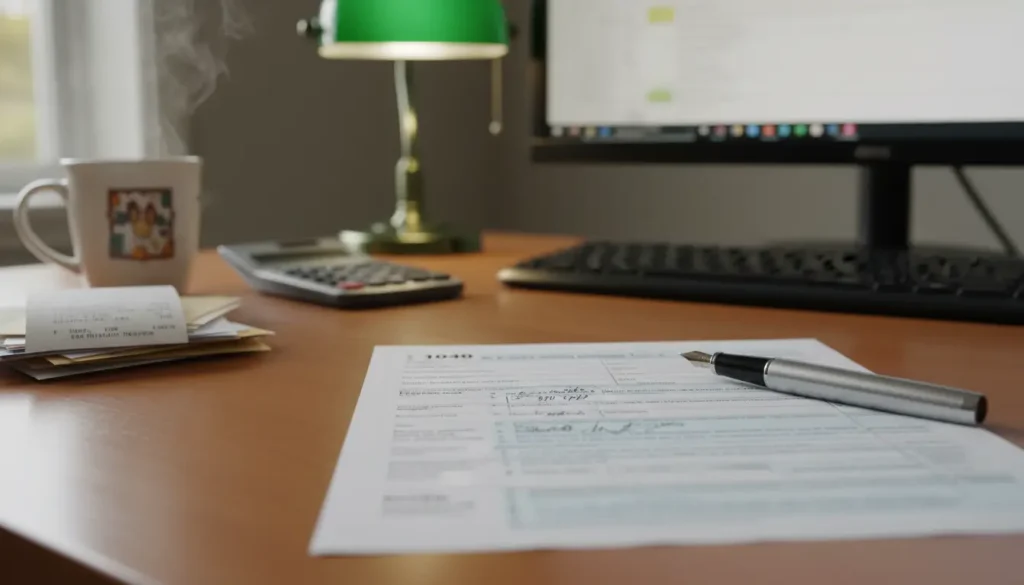

Why tax professionals urge residents not to rush filing
Recent federal tax changes have altered credits, thresholds, and reporting rules for many taxpayers. Tax professionals emphasize that hurrying to file without checking how the changes apply can lead to errors, missed benefits, or audits.
This article outlines practical steps residents should take before submitting returns. Follow these instructions to reduce risk and make informed choices about timing and documentation.
Major federal tax changes to be aware of
Not every taxpayer is affected the same way, but several common changes deserve attention. These include adjusted income thresholds, modified credits, new reporting requirements, and temporary relief measures that may expire.
- Changes to child and dependent tax credits.
- Adjusted income brackets or standard deduction amounts.
- New reporting for certain business or freelance income.
- Temporary credits or stimulus-related reconciliations.
How to file taxes due to federal tax changes: practical checklist
Before filing, follow a short checklist to confirm you’re applying the new rules correctly. This reduces mistakes and unexpected tax bills.
- Gather all income documents, including W-2s, 1099s, and brokerage statements.
- Review dependents and eligibility for revised credits.
- Check for new reporting lines for freelance or gig work.
- Confirm the right standard deduction or itemized deduction amounts.
- Consult updated IRS guidance or your tax professional for recent changes.
When to delay filing and when to file early
Delaying a return is sensible when you or your tax preparer need time to confirm how new rules affect complicated items. However, filing early still matters if you expect a refund or want to lock in current withholding calculations.
- Consider delaying if you have recent life changes, new business income, or complex investment sales.
- File early if you need a refund to cover immediate expenses, but double-check credits and reconciliations first.
- Use an extension if you need more time but want to avoid late-filing penalties; remember extensions delay filing, not payment.
Steps to take with your tax professional
Work with a tax professional in a structured way to avoid missed items. Clear communication and documentation help them apply federal changes correctly to your situation.
- Provide a complete package of documents, including last year’s return and any IRS notices received this year.
- Ask which federal changes affect your return and why; request written notes if needed.
- Discuss timing: whether filing now or after a specific clarification from the IRS is better.
Common questions residents ask tax professionals
Residents often ask whether rushing gives them any advantage. Generally, there is no benefit to filing incorrectly. Corrections take time and may trigger audits or penalties.
- Q: Will filing early protect me from future rule changes? A: No. You must file according to the rules that apply to the tax year you are reporting.
- Q: Can I amend if a rule changed after I filed? A: Yes, you can file an amended return, but that can delay refunds and increase scrutiny.
Practical examples and a short case study
Here is a real-world style example to show why careful timing matters.
Example: A resident with freelance income received a new 1099-NEC after filing an initial return. The unreported income required an amendment and resulted in additional tax and interest. The resident could have avoided this by compiling all year-end statements and confirming reporting thresholds with their preparer.
Case study: Small business owner who waited
Maria runs a small catering business and consulted her CPA before filing. The CPA identified a recently changed credit that Maria qualified for but needed extra documentation. Maria delayed filing two weeks to gather receipts and evidence. The return was larger by several hundred dollars in credits, and she avoided an amendment.
Key takeaway: A short delay to verify new rules can increase refunds or reduce future complications.
Simple rules to follow before you hit submit
Use these rules to decide whether you should file now or take additional time.
- Rule 1: If you are missing documents, wait until they arrive.
- Rule 2: If a new federal rule or IRS guidance may affect a major item, ask your preparer for confirmation.
- Rule 3: If you expect tax due, estimate and pay on time to avoid penalties, even if you file later with an extension.
Filing an extension gives extra time to file your tax return but does not extend the time to pay any tax owed. Interest and penalties can still apply to unpaid balances after the original deadline.
Final checklist before filing
Run through this final checklist to reduce mistakes and ensure compliance with federal changes.
- Confirm all income documents are included.
- Verify eligibility for any revised credits or deductions.
- Ask your tax professional whether recent federal changes affect your return.
- Consider an extension if more time is needed to assemble accurate documentation.
Taking a few extra days to verify how federal tax changes apply to your return often saves time and money in the long run. If you have doubts, consult a licensed tax professional and document the guidance you receive.